Sensitive and Reactive Skin: How to Build a Basic Skincare Routine
Picture this: you buy a new serum everyone's talking about on TikTok, apply it thinking, “This is it! My skin is finally going to glow!”, but instead, you end up with redness, tingling...

11/11/2026
Article content1. Sensitive or Reactive Skin: What's the Difference?2. Why Does Your Skin Suddenly Start Reacting to Everything?3. Basic Skincare for Sensitive Skin: Four Essential Steps4. Step 1. Gentle Cleansing Without That Squeaky-Clean Feeling5. Step 2. Hydration — Without Chasing More and More Layers6. Step 3. Moisturizer to Support the Skin's Protective Barrier7. Step 4. SPF — A Daily Habit8. Which K-Beauty Ingredients Deserve Your Attention?9. Centella Asiatica (Cica)10. Oats and Beta-Glucan11. Panthenol12. What About Acids, Retinol, and Vitamin C?13. Five Mistakes That Can Make Your Skin More Reactive14. Fewer Experiments, More Care
Picture this: you buy a new serum everyone's talking about on TikTok, apply it thinking, “This is it! My skin is finally going to glow!”, but instead, you end up with redness, tingling, and a feeling of tightness. Sound familiar? 👀
If your skin reacts to changes in skincare products, the weather, or even a simple face wash, it might need a slightly different approach to skincare. And no, that doesn't mean you have to say goodbye to your favorite beauty products forever.
K-beauty has a wonderful principle: comfort and support for the skin's protective barrier come first, and experimenting with active ingredients comes later. Let's explore the difference between sensitive and reactive skin, which ingredients to look for, and how to build a simple routine without putting unnecessary stress on your skin 💗
Sensitive or Reactive Skin: What's the Difference?
These terms are often used interchangeably, and it's easy to see why: their symptoms can be very similar. However, there are some important differences.
Sensitive skin is skin that tends to experience discomfort in response to factors that other people usually tolerate well. It may react with burning, tingling, itching, or tightness. Sometimes there are hardly any visible changes, but the sensations speak for themselves.
Reactive skin is a term often used to describe skin that responds quickly to certain triggers. For example, it may become red after washing, temperature changes, or applying a cosmetic product.
It's important to understand that these concepts can overlap, and neither is a separate medical diagnosis in itself.
How can you tell if your skin needs a gentler approach? Look out for these signs:
- Redness after contact with water or cosmetics.
- Tingling or burning after applying skincare products.
- Dryness and tightness even after moisturizing.
- Discomfort caused by cold, wind, or heat.
- Unpredictable reactions to new skincare products.
By the way, sensitive skin isn't necessarily dry. Oily, combination, and even blemish-prone skin can also show increased sensitivity.
If redness is persistent or accompanied by intense itching, rashes, or pain, it's best to consult a dermatologist. Similar symptoms can sometimes be associated with rosacea, contact dermatitis, or other conditions that require a different approach.
Why Does Your Skin Suddenly Start Reacting to Everything?
Imagine your skin's protective barrier as a brick wall. The cells of its outer layer, called corneocytes, act like bricks, while the lipids between them resemble the mortar that holds the entire structure together. Thanks to this structure, the skin can retain moisture more effectively and protect itself from external irritants.
When the barrier functions properly, it's easier for the skin to stay comfortable. But when its function is compromised, moisture escapes more quickly, and irritants may cause greater discomfort 😕️️️️️️
What can contribute to this?
- Over-cleansing. Washing your face too frequently with harsh products or using hot water.
- Overusing active ingredients. Using several acids, retinoids, and exfoliating products at the same time.
- Weather conditions. Frost, wind, dry indoor air caused by heating, or sudden temperature changes.
- Unsuitable skincare products. Certain fragrances, preservatives, cleansing agents, or active ingredients may cause irritation or allergic reactions. It all depends on the product's formula and individual tolerance.
- Individual skin characteristics. Genetic predisposition, certain dermatological conditions, and individual sensitivity.
And here's where a common mistake happens: when your skin becomes dry, red, and dull-looking, you might feel tempted to add even more serums, masks, and active ingredients. But sometimes the best solution is exactly the opposite — simplifying your routine ☝️
Basic Skincare for Sensitive Skin: Four Essential Steps
Korean skincare is often associated with multi-step rituals. But the good news is that you don't need to use ten different products to take good care of your skin.
For sensitive and reactive skin, the principle of skinimalism is particularly relevant — a minimalist skincare approach based on a few carefully selected products that meet your skin's needs without causing discomfort.
Step 1. Gentle Cleansing Without That Squeaky-Clean Feeling
If you feel the urge to apply moisturizer immediately after washing your face because your skin feels tight, it might be time to reconsider your cleanser.
Choose gentle cleansing formulas that don't leave your skin feeling dry or tight. Fragrance-free products with mild cleansing agents can be a good starting point. But the most important thing is how your skin reacts to a particular product.
In the evening, it's important to remove SPF, makeup, and impurities. If you wear long-lasting makeup, you may need a separate makeup remover. However, double cleansing isn't necessary for everyone. The main goal is to cleanse your skin effectively without causing irritation.
And in the morning? For some people, washing with lukewarm water is enough, while others feel more comfortable using a gentle cleanser. Let your skin's needs guide you.
Ksisters tip 💗: Hot water and vigorous rubbing with a towel aren't sensitive skin's best friends. After washing your face, gently pat it dry with a soft towel instead of rubbing.
Step 2. Hydration — Without Chasing More and More Layers
Toner, essence, ampoule, serum… Korean skincare offers countless interesting product formats, but sensitive skin doesn't necessarily need all of them.
If you'd like to add a lightweight hydrating step, try a simple toner or serum containing ingredients that help attract and retain moisture.
For example:
- Glycerin — attracts and binds water, helping maintain skin hydration.
- Hyaluronic acid — helps attract and retain moisture in the surface layers of the skin.
- Beta-glucan — helps maintain skin hydration and comfort.
- Panthenol — supports hydration, softens the skin, and helps reduce feelings of discomfort.
You don't need to find all these ingredients in one bottle. Sometimes, one well-chosen product is more than enough. And if your moisturizer already provides sufficient hydration, you might not need an additional serum at all.
Step 3. Moisturizer to Support the Skin's Protective Barrier
A hydrating serum can help attract and retain water in the surface layers of the skin. A moisturizer, on the other hand, usually combines different types of ingredients that hydrate, soften the skin, and help reduce moisture loss 💧
Look for these ingredients:
- Ceramides — help maintain the skin's natural lipid barrier and reduce moisture loss.
- Squalane — softens the skin and makes it feel more comfortable to the touch.
- Centella asiatica — a popular K-beauty ingredient often used in formulas designed for soothing skincare.
By the way, a rich moisturizer doesn't always mean better skincare. If you have oily or combination skin, you can choose a lighter emulsion or gel cream. The main thing is that your skin feels comfortable after application and receives enough hydration.
Step 4. SPF — A Daily Habit
Even if your routine consists of just cleansing, moisturizing, and sun protection, that's already a great foundation ☀️
Ultraviolet radiation can contribute to skin damage, which makes regular protection especially important. Choose a broad-spectrum sunscreen with SPF 30 or higher. When UV exposure is more intense, SPF 50 or 50+ can be a good choice.
For reactive skin, products with mineral filters may sometimes feel more comfortable. However, this doesn't mean that organic UV filters will necessarily cause irritation. Tolerance depends on the product's entire formula, not just the type of filters.
And remember: sunscreen should be applied in sufficient amounts and reapplied during prolonged outdoor exposure, as well as after swimming or heavy sweating. Always follow the manufacturer's recommendations.
Want to build a simple routine without unnecessary experiments? We've prepared a selection of products for the essential skincare steps: gentle cleansing, toning, moisturizing, and daily sun protection. Choose what suits your skin's needs 💕
1. Cleansing 🌸
2. Toning 💦
3. Moisturizing 💧
4. SPF ☀️
And if you'd like more options, check out the "By Skin Concern" section on Ksisters. Explore the "Sensitive Skin" category and discover skincare products that can complement your daily routine.
Which K-Beauty Ingredients Deserve Your Attention?
Korean skincare is especially known for formulas featuring ingredients focused on hydration and skin comfort. Among them are several true K-beauty favorites.
Centella Asiatica (Cica)

A true K-beauty superstar! Its extracts are often used in toners, serums, and creams for sensitive and irritation-prone skin. Formulas with centella designed to support skin comfort are particularly popular.
Check out our selection of top products with centella that are worth your attention 🍀
Oats and Beta-Glucan
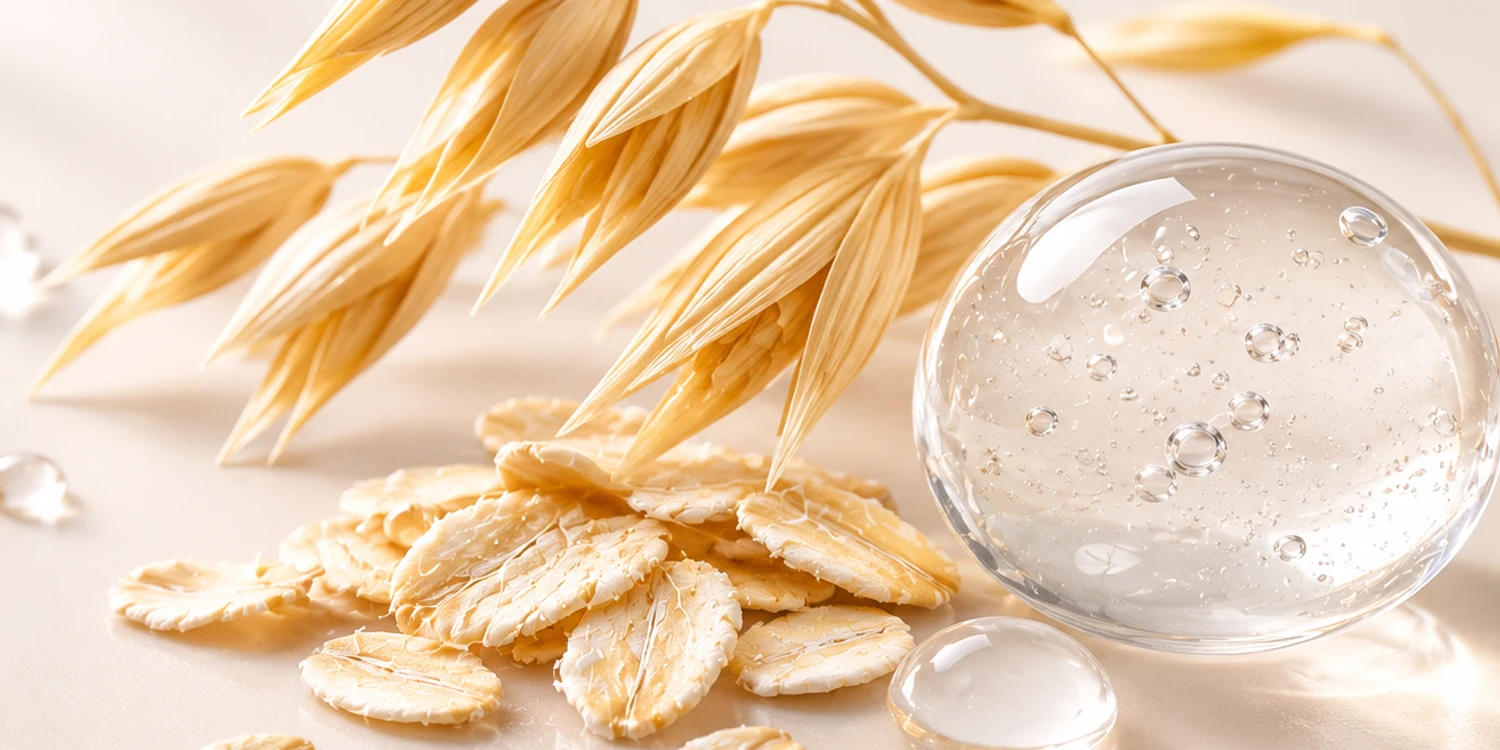
Oat-derived ingredients, including colloidal oatmeal, as well as beta-glucan, are often found in moisturizing formulas for dry and sensitive skin. They help maintain hydration and reduce feelings of dryness and tightness.
Here are a few beauty finds featuring these ingredients that could make a wonderful addition to your routine 🌾
Panthenol
A versatile moisturizing ingredient that's easy to incorporate into a simple routine. You can find it in toners, serums, and creams designed for dry and sensitive skin.
Discover our selection of products with panthenol that deserve a place in your beauty bag ✨
Ksisters tip 🌿: Don't choose a product just because its packaging says Cica, Calming, or Sensitive. Even an ingredient known for its soothing properties doesn't guarantee that a particular formula will suit everyone. Pay attention to the complete ingredient list, texture, and how your skin reacts.
What About Acids, Retinol, and Vitamin C?
Does having sensitive skin mean you can't use active ingredients? Not at all! But there's definitely no need to rush.
If your skin currently burns, flakes, or reacts even to a basic moisturizer, it's better to temporarily stop using non-essential active products and focus on gentle skincare.
Once your skin feels comfortable again, you can gradually reintroduce active ingredients into your routine. Start with one new product, choose an appropriate concentration, and use it infrequently at first. If your skin tolerates the product well, you can gradually increase the frequency of use according to the instructions.
It's best not to introduce a retinoid, an exfoliating acid toner, and a new vitamin C serum all at once. Otherwise, it will be harder to identify which product caused a reaction.
And one more thing: tingling or burning doesn't mean your skincare product is working more effectively. If a product causes significant discomfort, wash it off and stop using it. If the reaction is severe or doesn't go away, consult a dermatologist ☝️
Five Mistakes That Can Make Your Skin More Reactive
Even the most expensive moisturizer can't compensate for habits that regularly irritate your skin.
- Changing your entire routine in one day. If a reaction occurs, it will be difficult to identify which product caused it.
- Using a scrub to remove flaky skin. Mechanical friction may only increase discomfort.
- Applying too many products with soothing ingredients. More layers don't necessarily mean better results.
- Ignoring reactions to fragrances. Even natural essential oils can irritate sensitive skin.
- Constantly trying new products. Your skin needs stability, not a new beauty experiment every evening.
Before adding a new product to your routine, try testing it on a small area of skin according to the manufacturer's recommendations. This test may help identify some unwanted reactions, but it doesn't guarantee that irritation won't develop later.
Even better, introduce new products one at a time. This will make it easier to understand which products suit your skin and which may cause discomfort.
Fewer Experiments, More Care
Sensitive skin doesn't need a complicated routine or an entire shelf of cosmetics labeled Soothing. Instead, it needs products that meet its needs, gentle cleansing, sufficient hydration, and regular sun protection.
Start with the basics, gradually introduce new products, and give your skin time to show you what works best.
After all, the secret to good skincare isn't the number of products on your shelf, but understanding your skin's needs ✨💗
This translation is AI-generated, so there might be some minor slip-ups 😌
Did you like the article?
support the author
2 likes